Resources For Next Steps
You’ll find educational materials such as recommended books and podcasts, along with downloadable and printable flyers to share in your workplace, school, or community. Resources are free and confidential, created to help you find support, information, and next steps, whenever you’re ready.
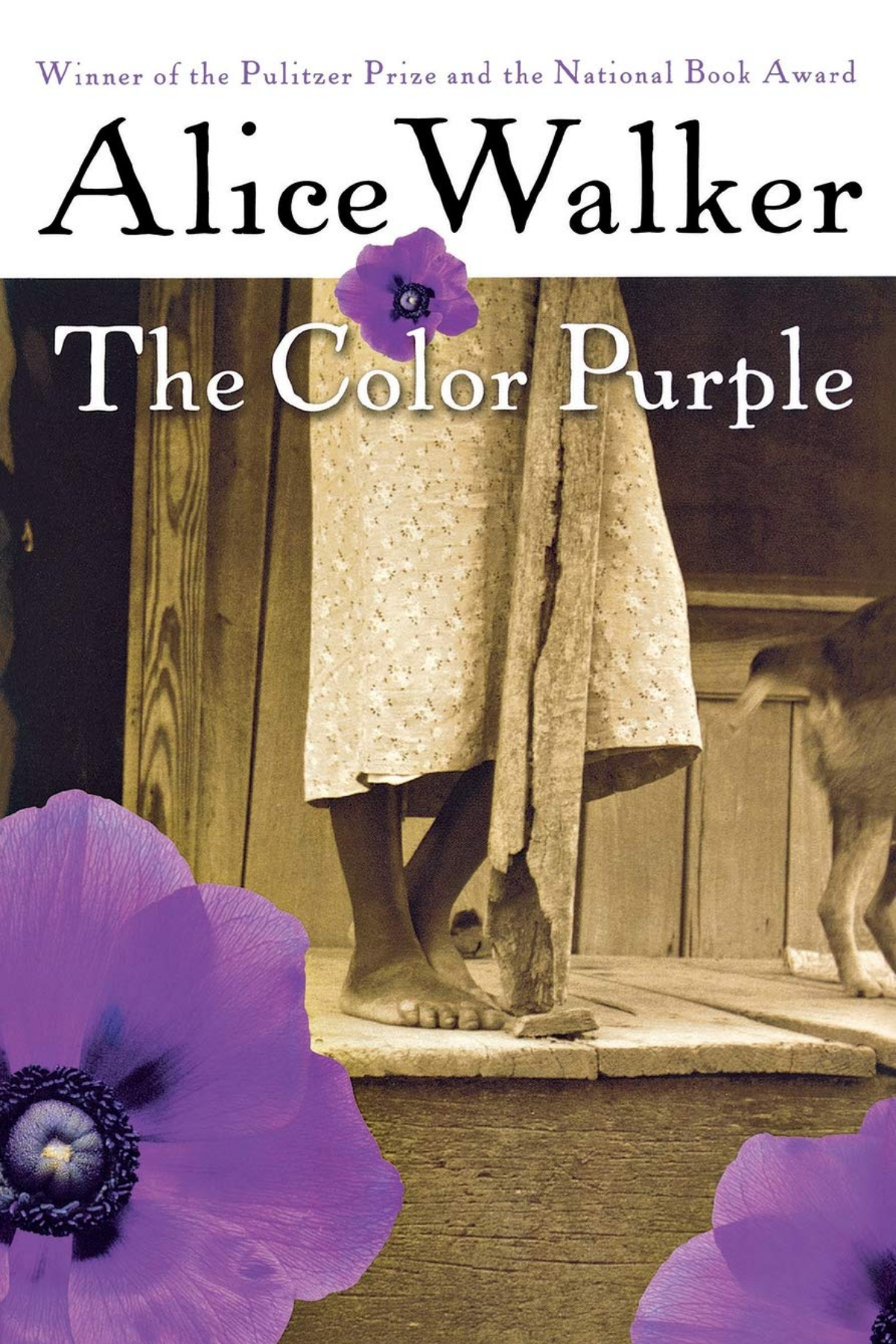
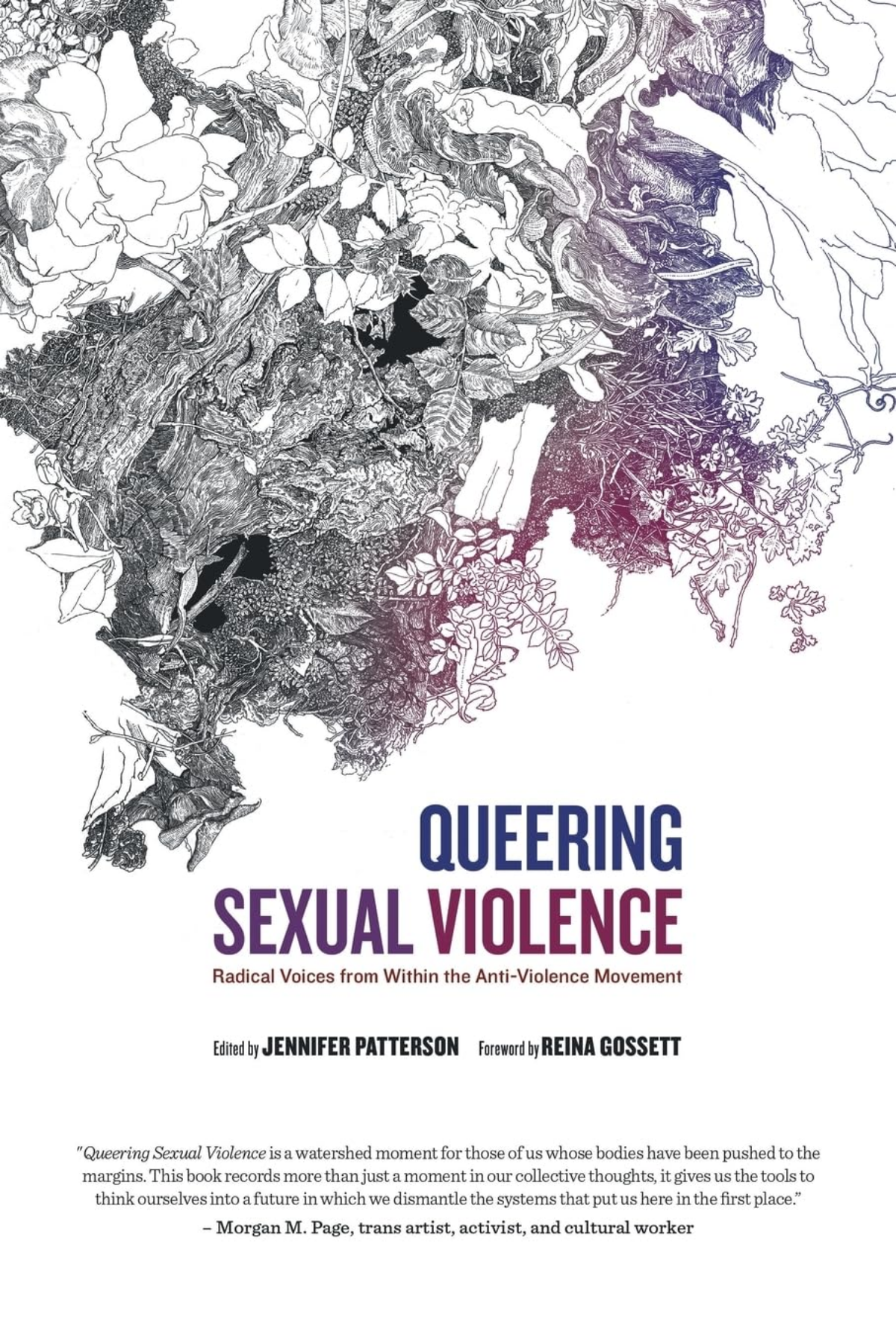
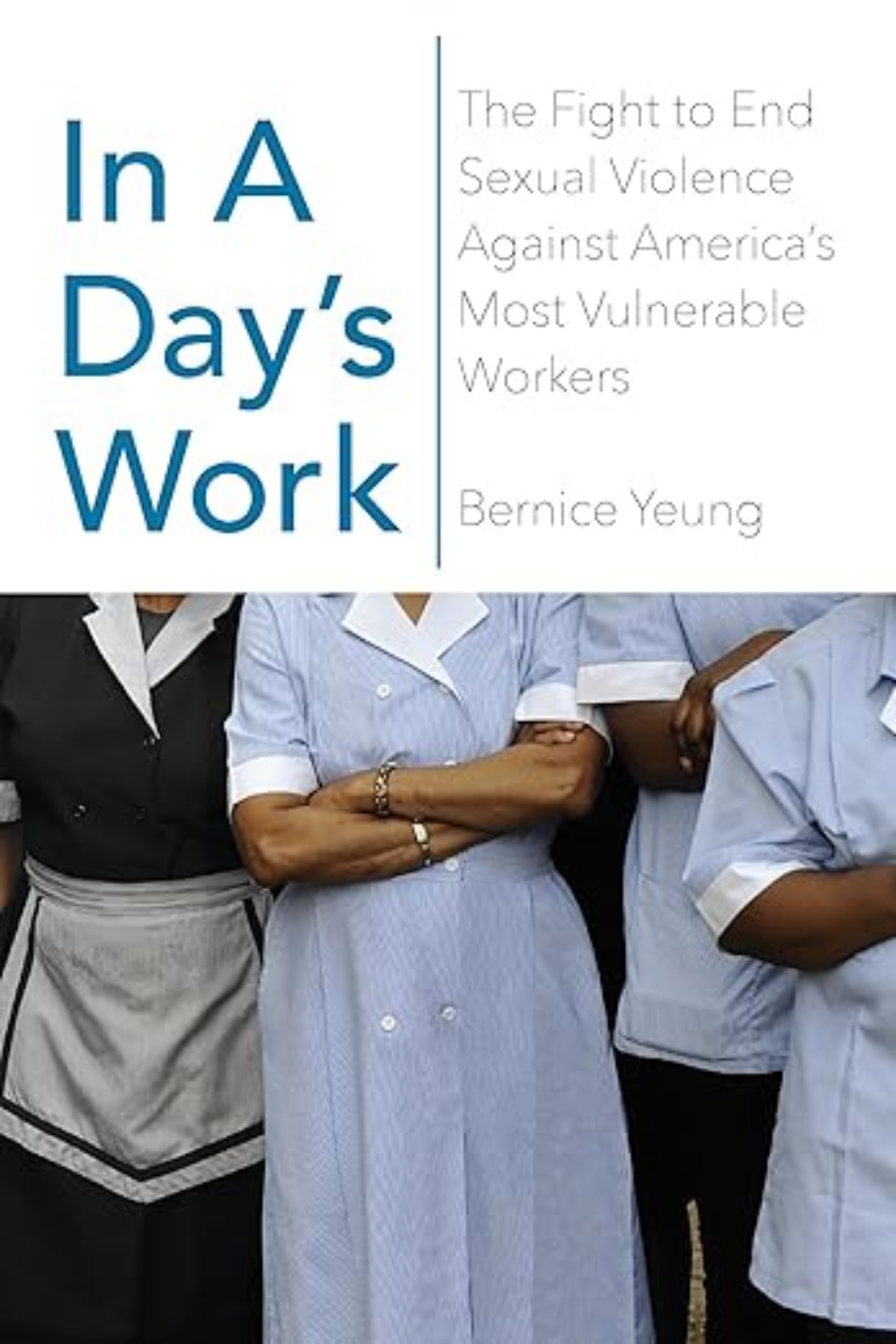
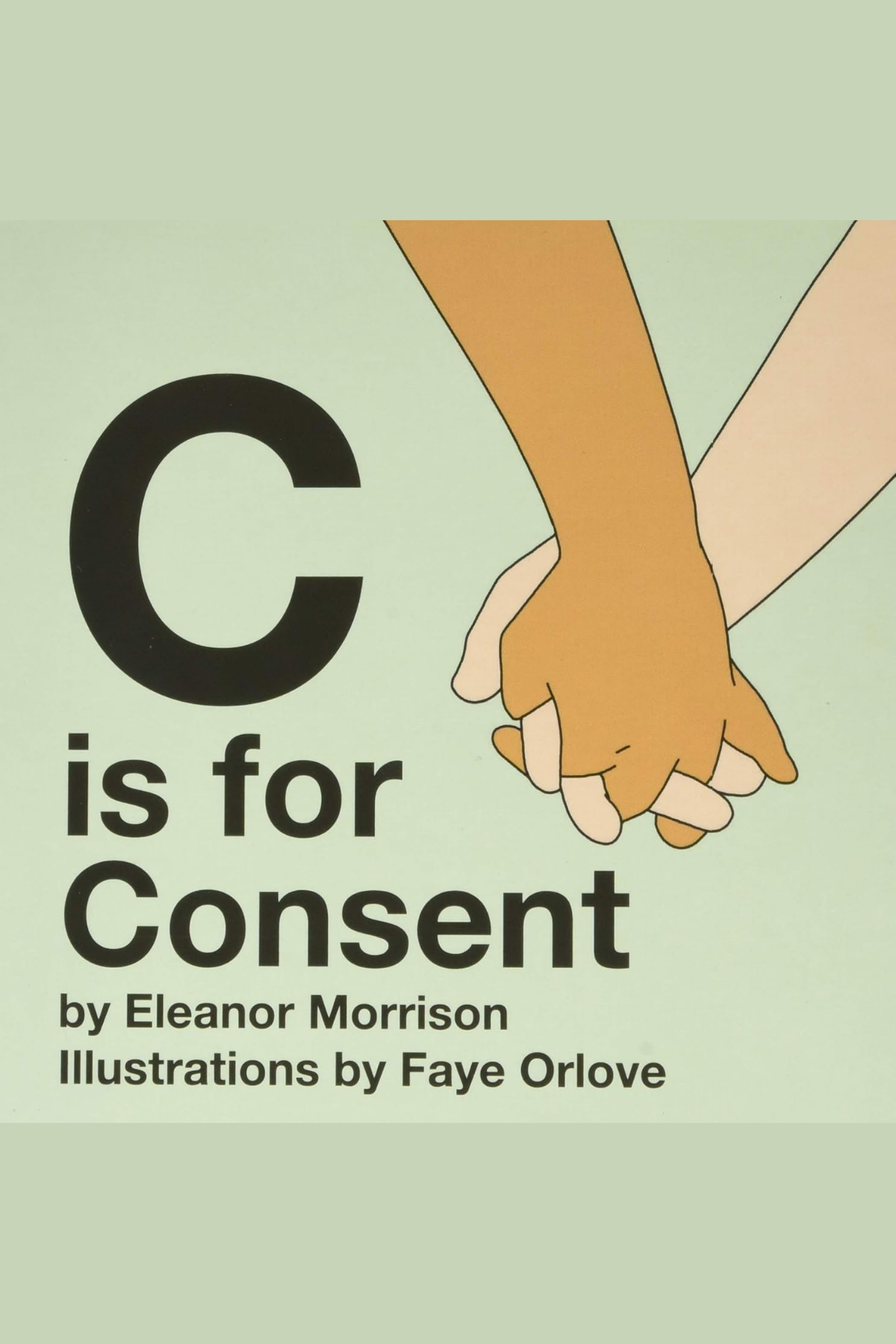
Recommended Reading.
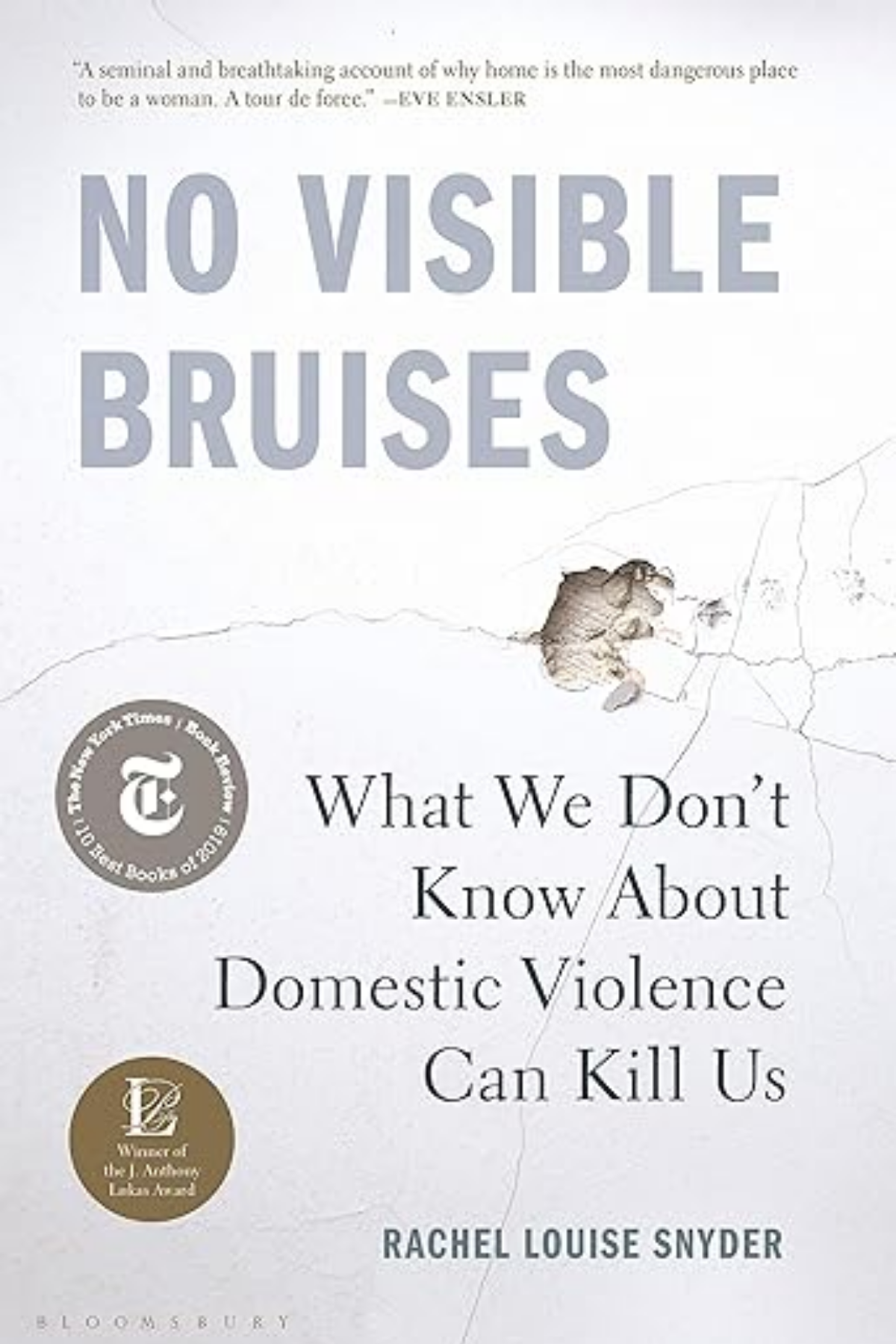
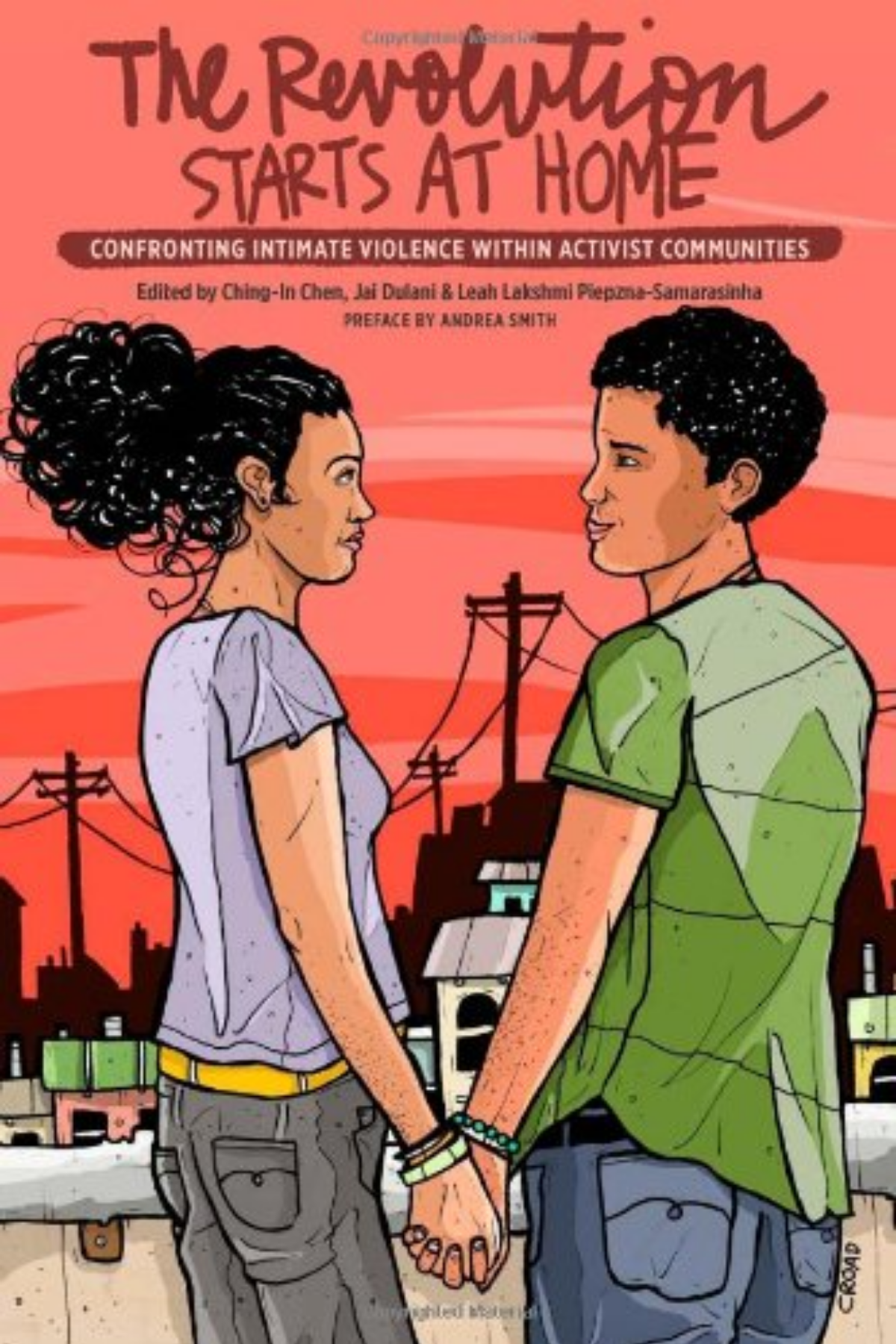
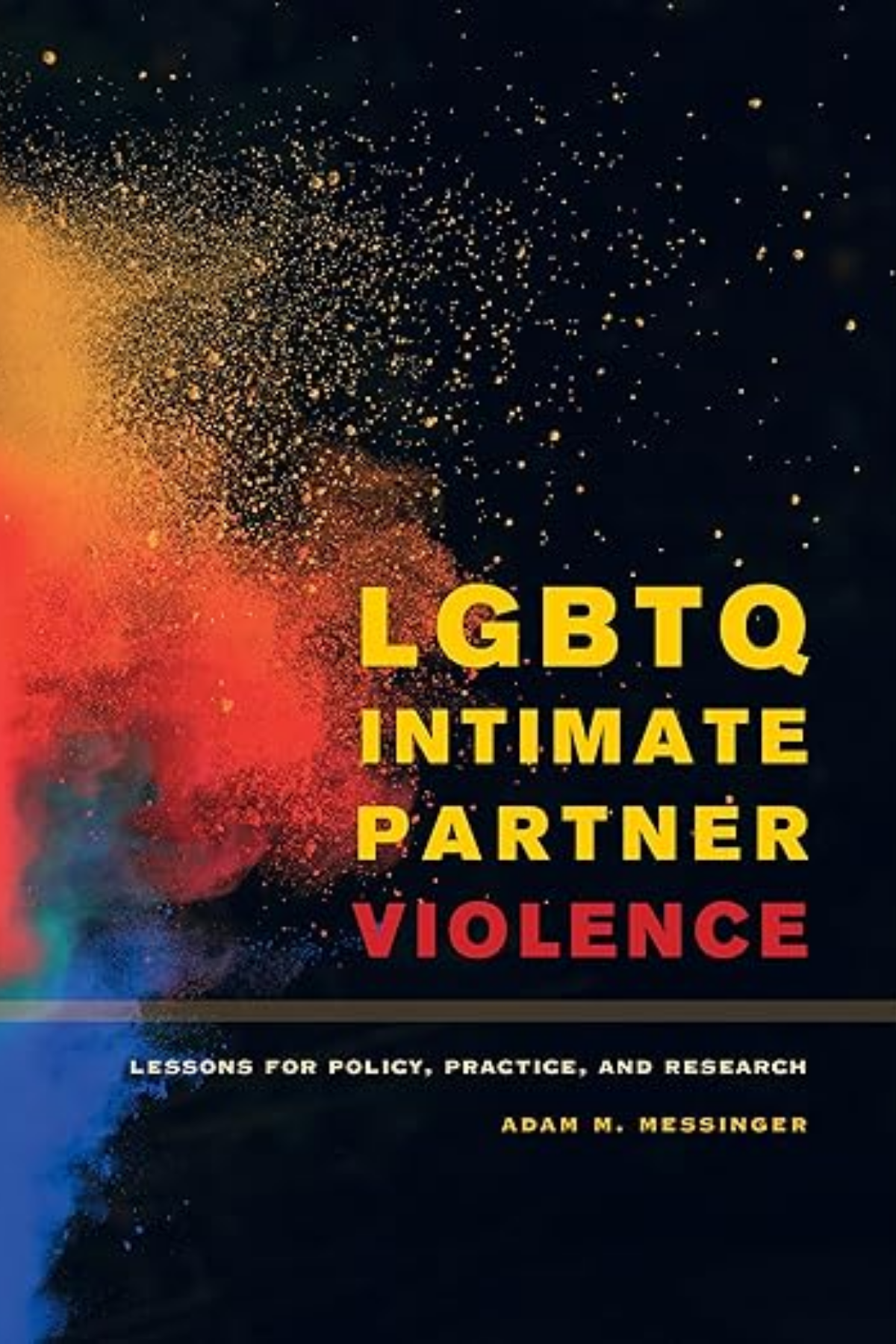


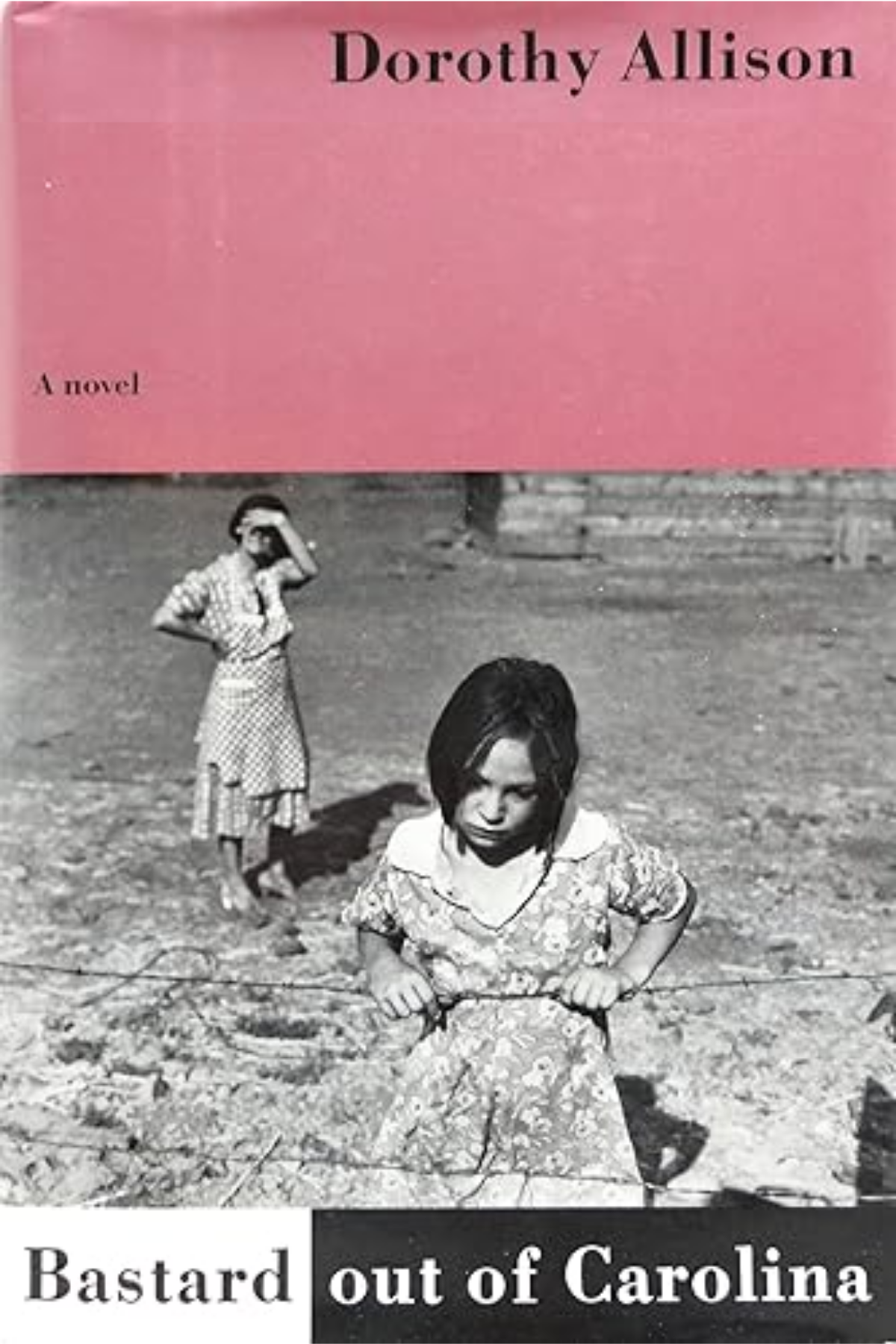

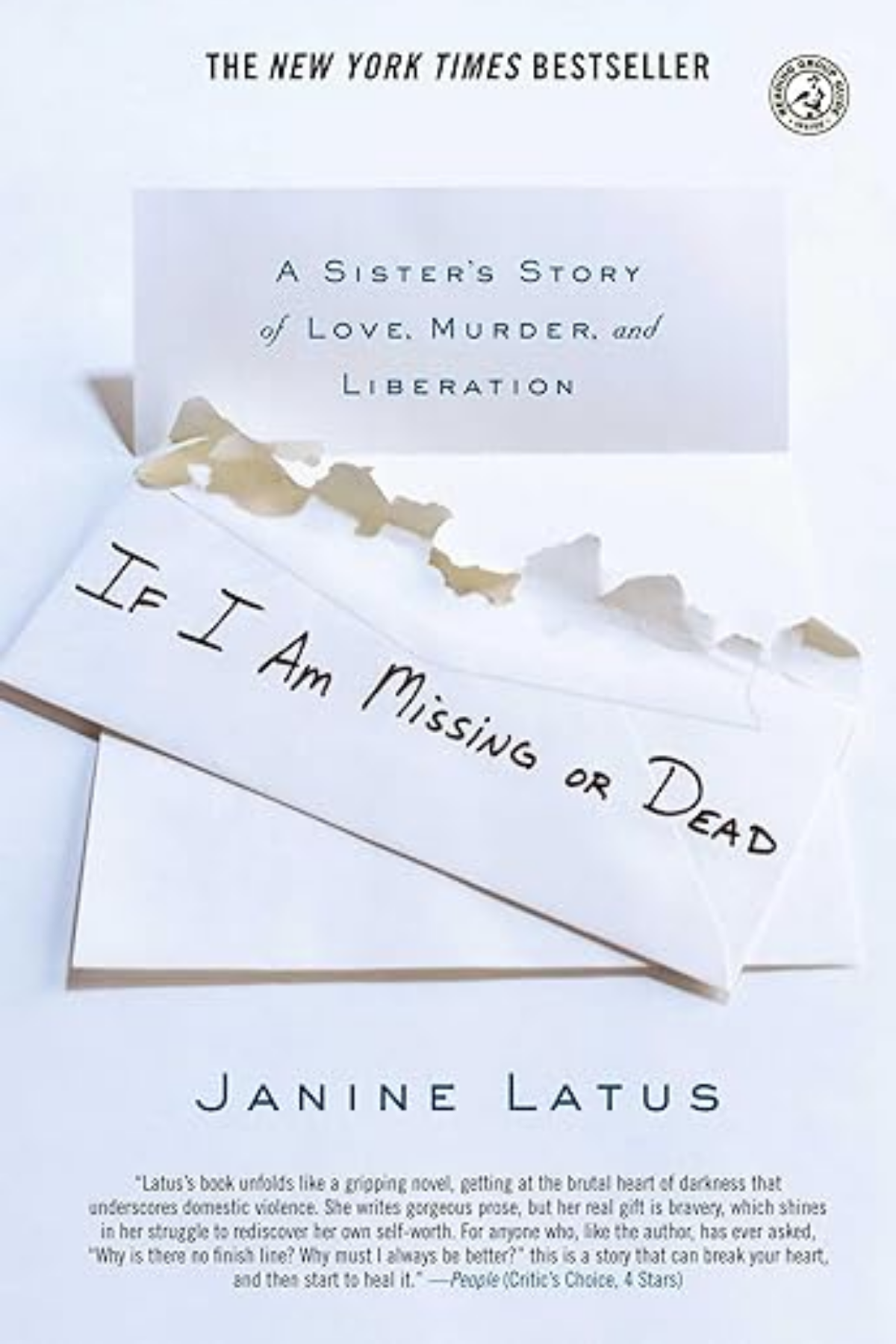



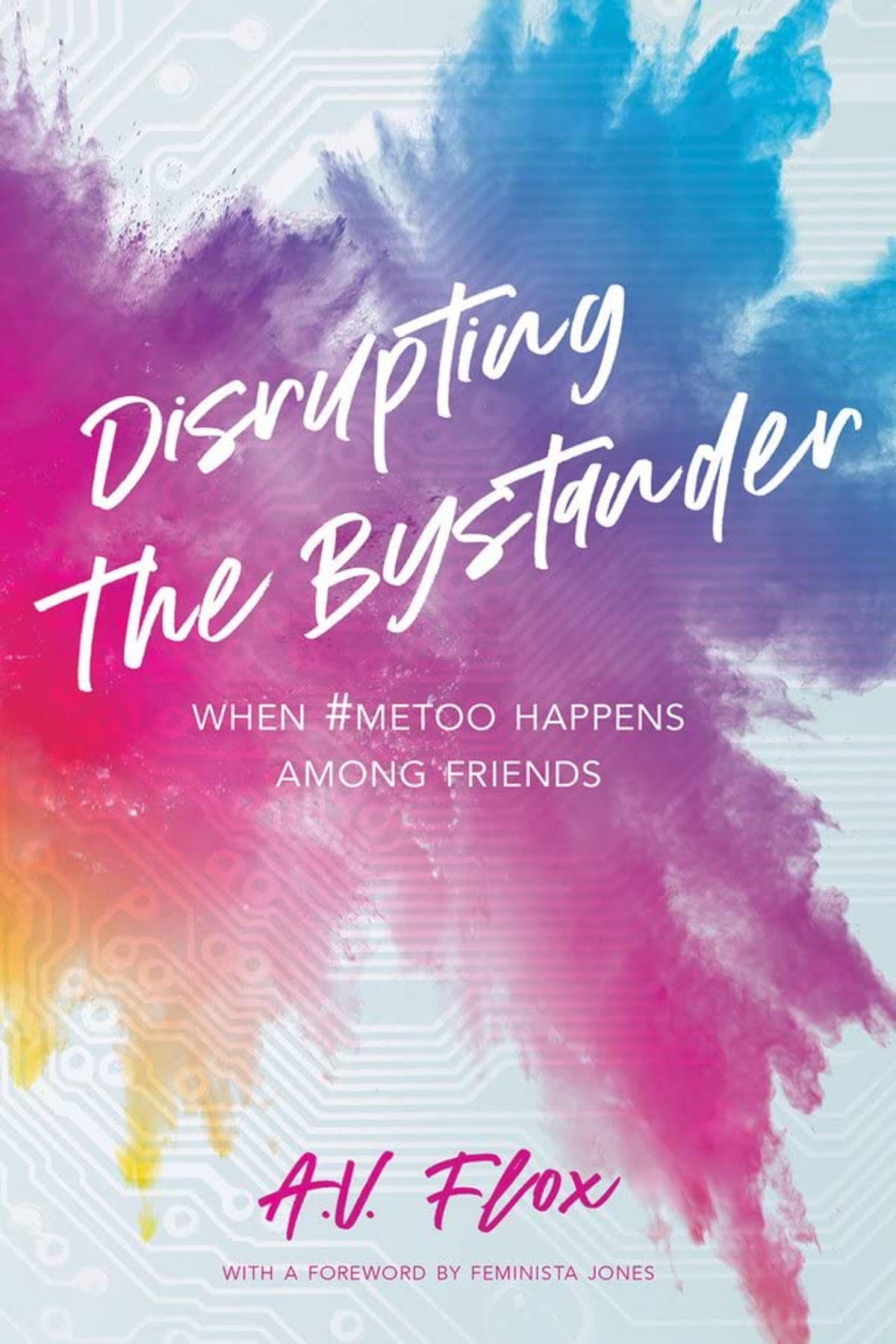
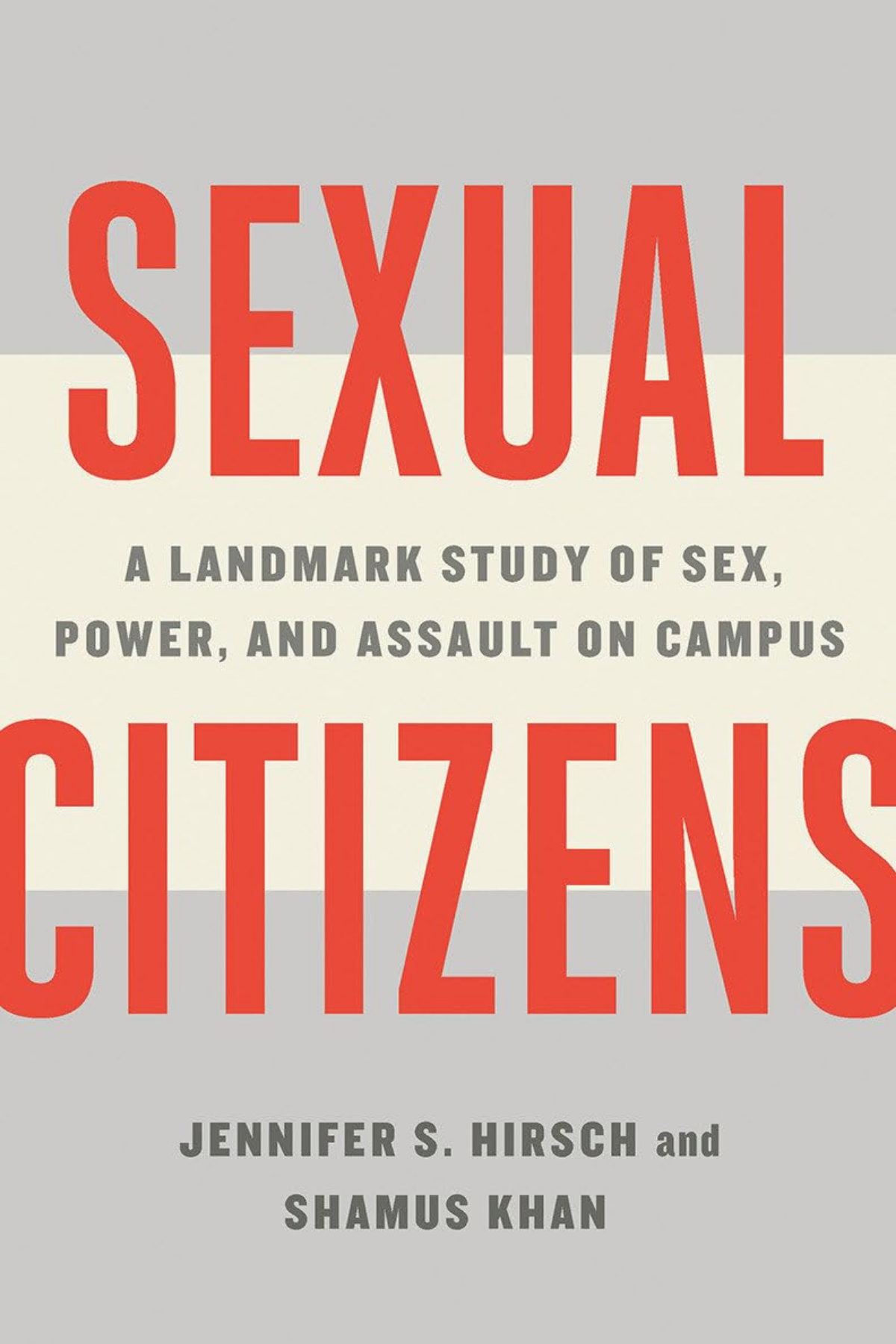
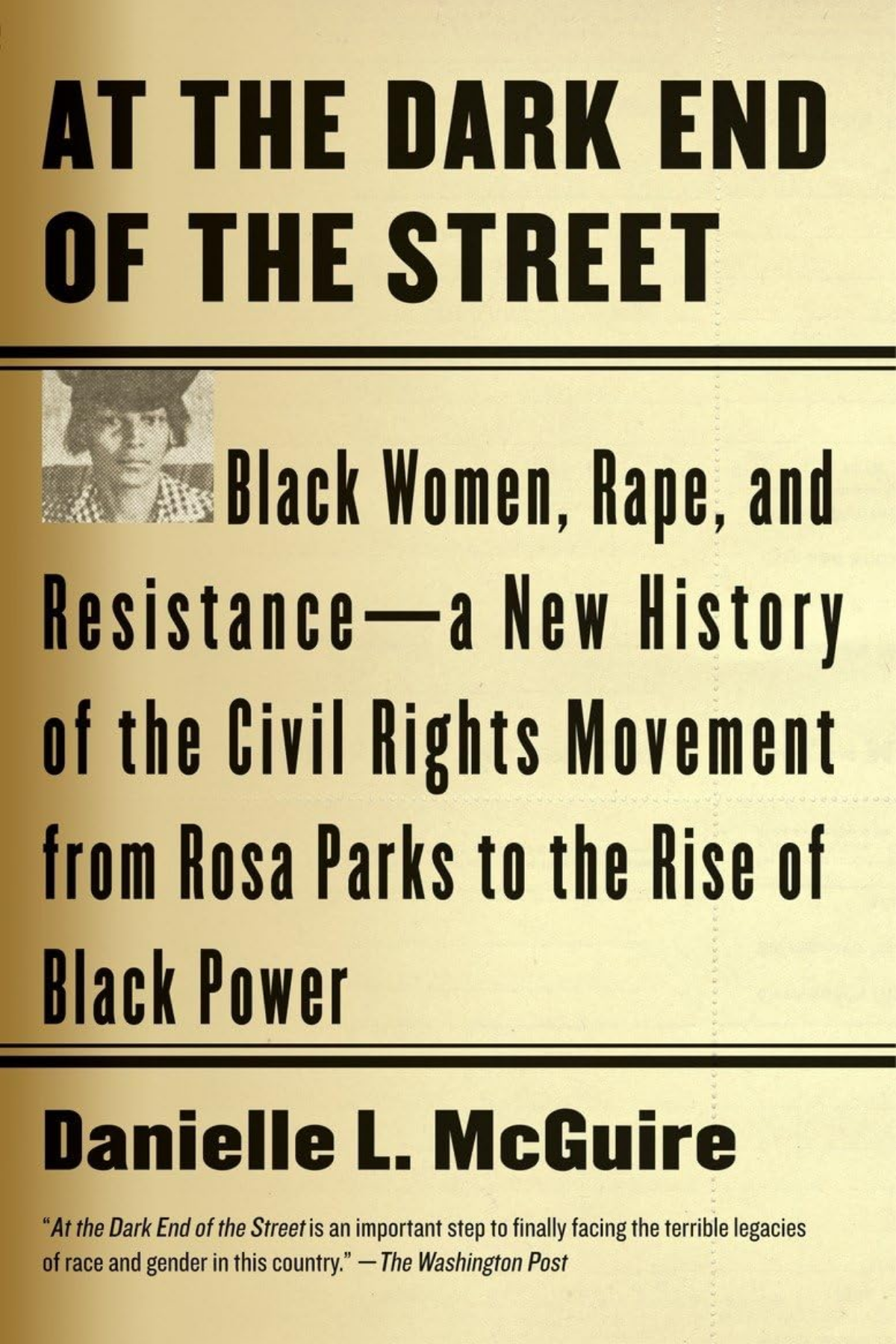



Recommended Listening.
Community Education.
At New Horizons, we are committed to raising awareness and providing education across various sectors, including schools, businesses, service organizations, and law enforcement agencies. Our programs aim to fulfill educational requirements while empowering individuals and communities to recognize and address issues related to abuse.
-
Participate in our free advocacy training to learn how to empower individuals affected by abuse.
Participants will meet our advocates, explore the dynamics of domestic and sexual abuse, and discover best practices for supporting survivors.
For information on upcoming trainings, please contact our Director of Victim Services 608-791-2610, ext. 1203.
-
This award-winning program from Darkness to Light is the only nationally recognized program proven to enhance knowledge and change behaviors related to child sexual abuse. Open to all adults, this training teaches prevention, recognition, and responsible reactions to child sexual abuse.
For more information on this training or to schedule a session, please contact our please contact our Director of Victim Services at 608-386-4311.
-
We offer informative presentations on critical topics such as domestic violence, sexual assault, human trafficking, and healthy relationships. Our presentations are designed to educate participants and promote safety and well-being in the community.
If you're interested in scheduling a school or nonprofit presentation, please contact our Director of Victim Services at 608-791-2610, ext. 1203.
If you’re interested in scheduling a presentation where you work, worship or for a civic group, please contact our Director of Development and Strategic Initiatives at 608-791-2610 ext. 1306
-
We actively participate in community events to share information about our services and resources.
If you're hosting an event and would like us to be involved, please contact our Administrative Assistant at 608-791-2610 ext. 1307

Awareness Months.
-
STALKING AWARENESS MONTH: January is dedicated to raising awareness about the dangers of stalking and educating individuals on how to protect themselves.
SLAVERY AND HUMAN TRAFFICKING PREVENTION MONTH: We also focus on educating our community about human trafficking, highlighting its signs and prevalence. By increasing awareness, we can work together to prevent these crimes from occurring.
-
TEEN DATING VIOLENCE AWARENESS MONTH: February is a month to raise awareness about the alarming prevalence of dating violence among young people. Throughout the month, we aim to educate teens, parents, and communities about the signs of unhealthy relationships and the importance of healthy communication. Join us in fostering a safe and supportive environment for young people. Some supportive resources for Teens are: loveisrespect.org or teendvmonth.org
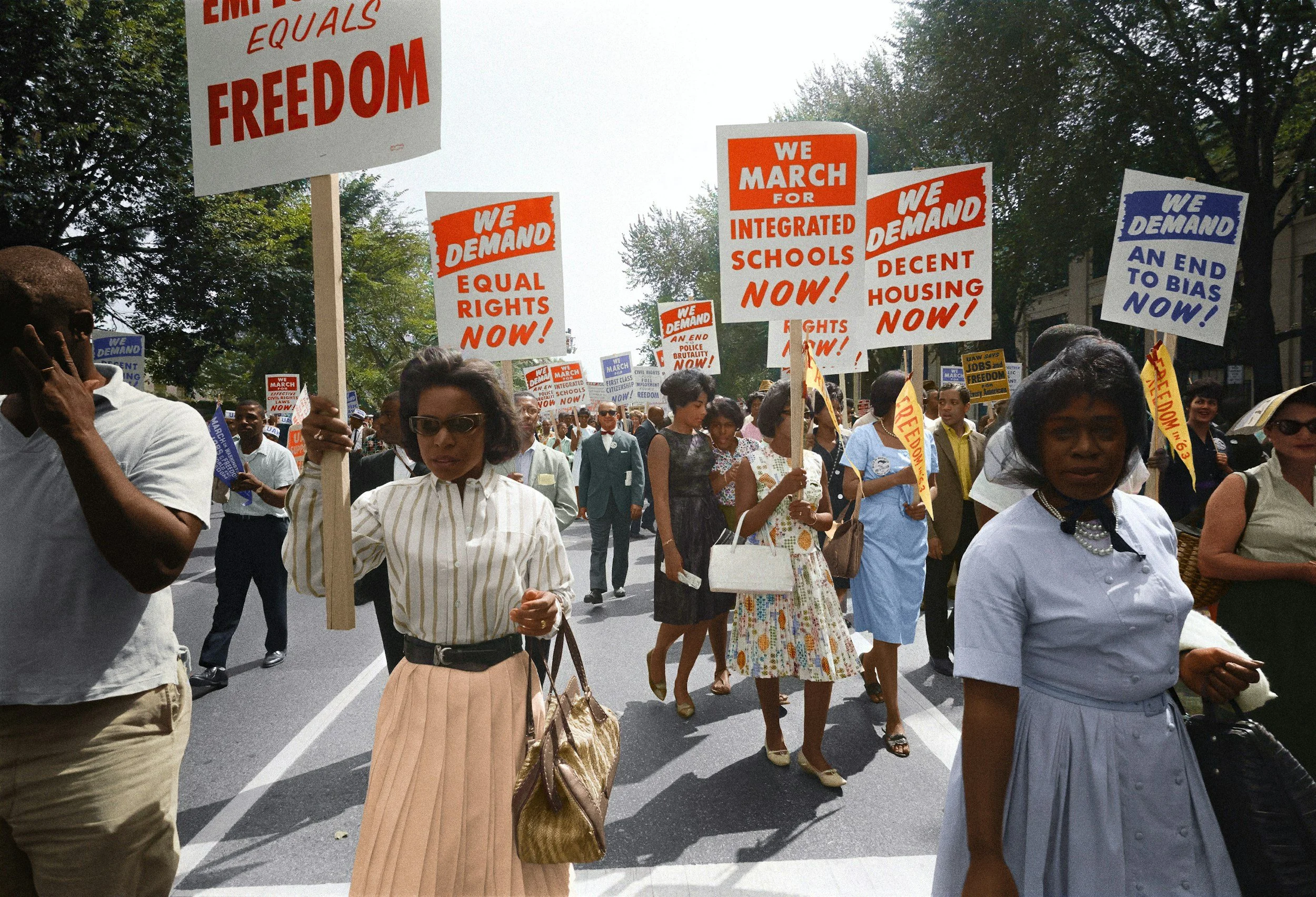
BLACK HISTORY MONTH: Domestic violence impacts every community; but in the Black community, survivors often face additional barriers that can make seeking help even more difficult.
Systemic inequities, mistrust of systems, cultural stigma, and fear of discrimination can all play a role in whether someone feels safe reaching out for support. These barriers are real, and they matter.
Raising awareness means listening, believing survivors, and ensuring resources are accessible, culturally responsive, and rooted in equity.
-
WOMEN'S HISTORY MONTH: March is Women's History Month, a time to celebrate the achievements and contributions of women throughout history and across cultures.
It’s also an opportunity to recognize the women who helped build the domestic violence movement: survivors, advocates, and activists who refused to stay silent and worked tirelessly to create safer futures for others.
Because of their courage, we have shelters, crisis lines, legal protections, and a growing understanding that domestic violence is not a private issue; it’s a community responsibility.
And while we’ve made progress, the work is far from over.
We continue to stand on the shoulders of those who came before us as we support survivors, raise awareness, and push for a world where everyone can live free from abuse.
-
SEXUAL ASSAULT AWARENESS MONTH: In April, we focus on promoting awareness about sexual assault, healthy relationships, and the importance of healthy development for children. Look out for awareness events at local schools and throughout the community.
CHILD ABUSE PREVENTION MONTH: April is also dedicated to raising awareness about child abuse prevention, emphasizing the role of safe adults and effective interventions. Join us in our efforts to spread awareness through various events in local schools and the broader community.
HMONG HERITAGE MONTH: honors the history, culture, and contributions of Hmong Americans, particularly their alliance with the U.S. during the Secret War and subsequent resettlement.
In the Hmong community, survivors may face unique barriers when it comes to seeking help with domestic and sexual violence.
Cultural expectations, language barriers, fear of bringing shame to family, and limited access to culturally responsive services can make it incredibly difficult to speak out. These challenges are real and they deserve to be acknowledged with care and respect.
Raising awareness means creating safe, inclusive spaces where Hmong survivors feel seen, heard, and supported without judgment.
-
MMIWG2S (MISSING AND MURDERED INDIGENOUS WOMEN, GIRLS & TWO-SPIRIT) AWARENESS MONTH: May is dedicated to raising awareness about the crisis of missing and murdered Indigenous women, girls and two-spirit people. This month serves as a vital opportunity to honor the lives of those who have been lost and to highlight the ongoing violence faced by Indigenous communities.
MENTAL HEALTH MONTH: May is also dedicated to raising awareness about mental health issues and promoting the importance of mental well-being. This month serves as a platform to encourage open discussion about mental health, reduce stigma, and provide resources for those in need.
-
ELDER ABUSE MONTH: June is a time to raise awareness about the various forms of abuse that older adults may face, including physical, emotional, financial, and neglect. This month serves as an important reminder to recognize the signs of elder abuse and to promote the safety and well-being of our elderly community members.
PRIDE MONTH: Domestic and sexual violence do not discriminate; but too often, survivors in the LGBTQ+ community face unique barriers when seeking safety and support.
Stigma, fear of being “outed,” lack of inclusive services, and harmful myths (like the belief that abuse doesn’t happen in same-sex relationships) can keep survivors silent. Everyone deserves to feel safe, respected, and supported—no matter their identity or who they love.
-
NATIONAL RECOVERY MONTH: Addiction and domestic violence often intersect, with individuals experiencing substance use challenges facing increased risk of violence, and those in abusive relationships turning to substances as a coping mechanism. September is a time to celebrate the journey of individuals overcoming substance use disorders and to promote the importance of support systems in the recovery process. This month emphasizes the message that recovery is possible and encourages communities to join together in providing resources and understanding.
NATIONAL HISPANIC HERITAGE MONTH: A time to celebrate the histories, cultures, and contributions of Hispanic and Latino communities that have shaped the United States. Observed each year from September 15 to October 15, the month highlights the vibrant traditions, achievements, and voices of people whose roots trace to Spain, Mexico, the Caribbean, and Central and South America.
For survivors, language barriers, fear related to immigration status, cultural expectations, financial dependence, and limited access to culturally responsive services can make it incredibly difficult to reach out for help. These challenges are real and they deserve understanding, not judgment.
NATIONAL DEAF AWARENESS MONTH: A time to celebrate the culture, language, and experiences of Deaf, Hard of Hearing, and DeafBlind communities.
Survivors in the Deaf and Hard of Hearing community often face unique and significant barriers when seeking help.
Limited access to interpreters, lack of accessible services, communication barriers, and isolation can make it harder to reach out for support. In some cases, abusive partners may even control communication, further increasing that isolation.
Everyone deserves access to safe, supportive, and fully accessible services without barriers.
-
DOMESTIC VIOLENCE AWARENESS MONTH: October is a month to raise awareness about the impact of domestic violence and to advocate for those affected by it. This month serves as a critical reminder of the need for education, support, and resources to combat this pervasive issue. Watch for awareness events throughout our communities.
-
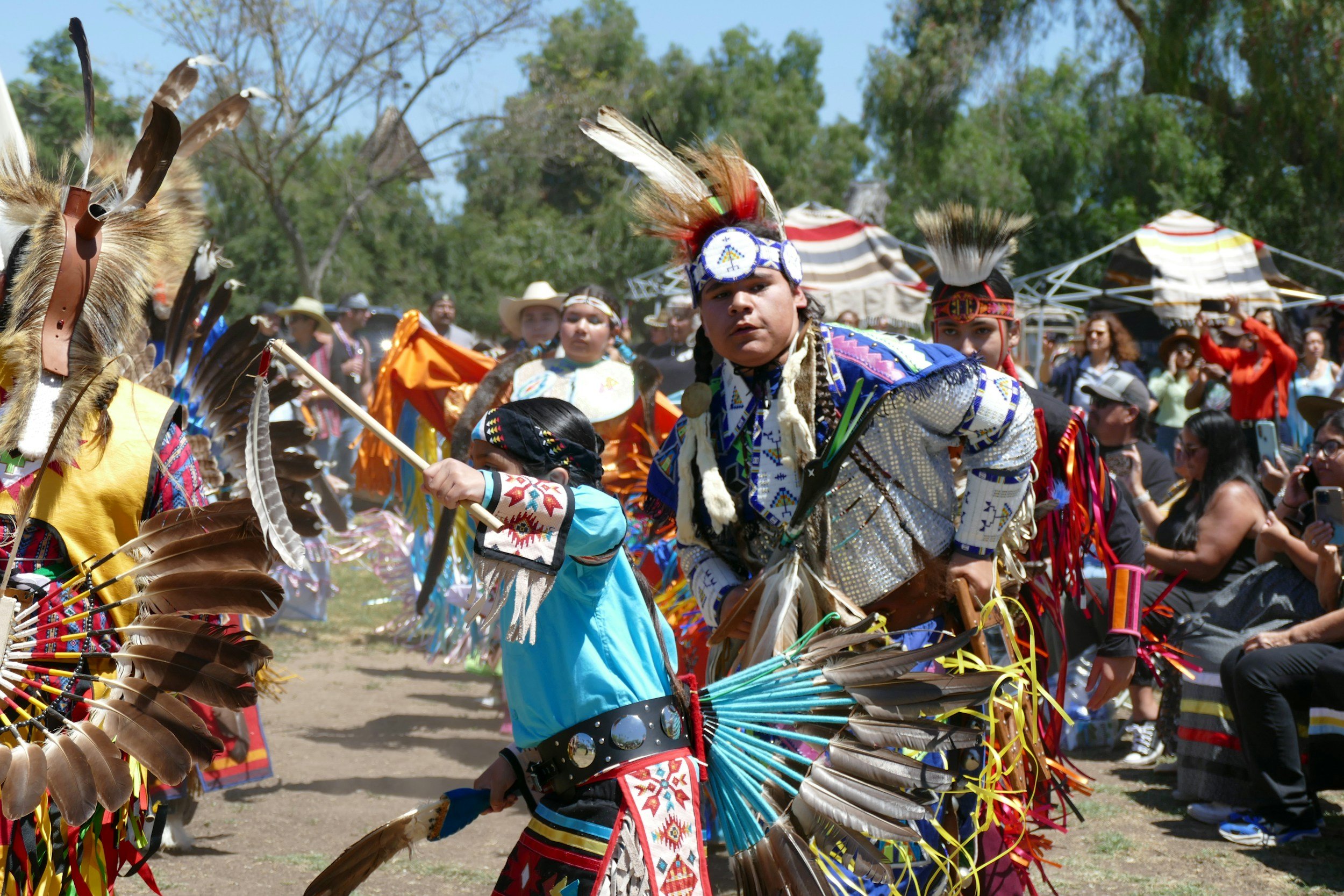
NATIVE AMERICAN HERITAGE MONTH: November is a time to celebrate the rich cultures, histories, and contributions of Native American peoples. This month honors the diverse traditions and legacies of Indigenous communities, while also raising awareness about the challenges they continue to face.
Information Sheets & Printable Resources.